

Early H₂ and CO Detection for BESS Safety
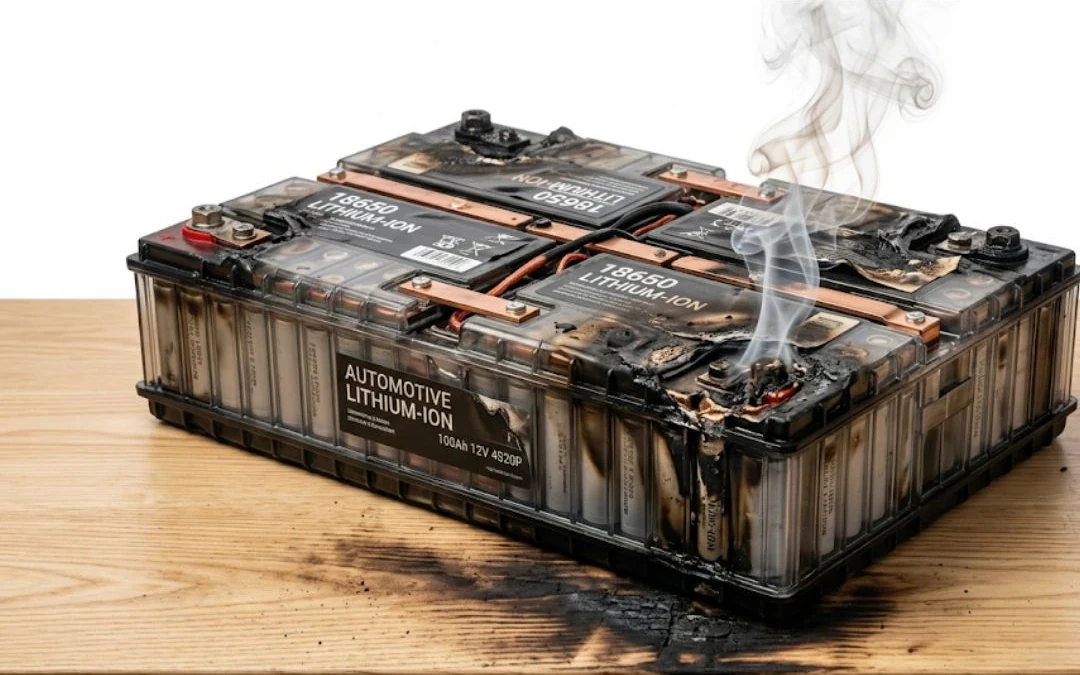
In battery energy storage system (BESS) safety, the value of detection depends on whether abnormal conditions are recognized early enough for effective intervention. Hydrogen (H₂) and carbon monoxide (CO) are important indicators in some stages of lithium-ion battery failure and thermal runaway development.
Detecting these gases may give a safety system additional time to issue alarms, activate ventilation, initiate appropriate shutdown procedures and coordinate other protective measures. However, a gas detector alone does not define an effective safety strategy.
System design should consider the battery chemistry and UL 9540A test findings, target gas species and alarm thresholds, detector placement and response time, and the cause-and-effect logic linking detection to ventilation, alarm, shutdown and suppression. A project-specific Hazard Mitigation Analysis should inform these decisions.
The objective is a coordinated risk-control strategy in which gas detection provides actionable information and the wider safety system responds according to validated project requirements.