

Kesensor Supports World's Largest High-Voltage Cascaded BESS Project (400 MW / 2,400 MWh)
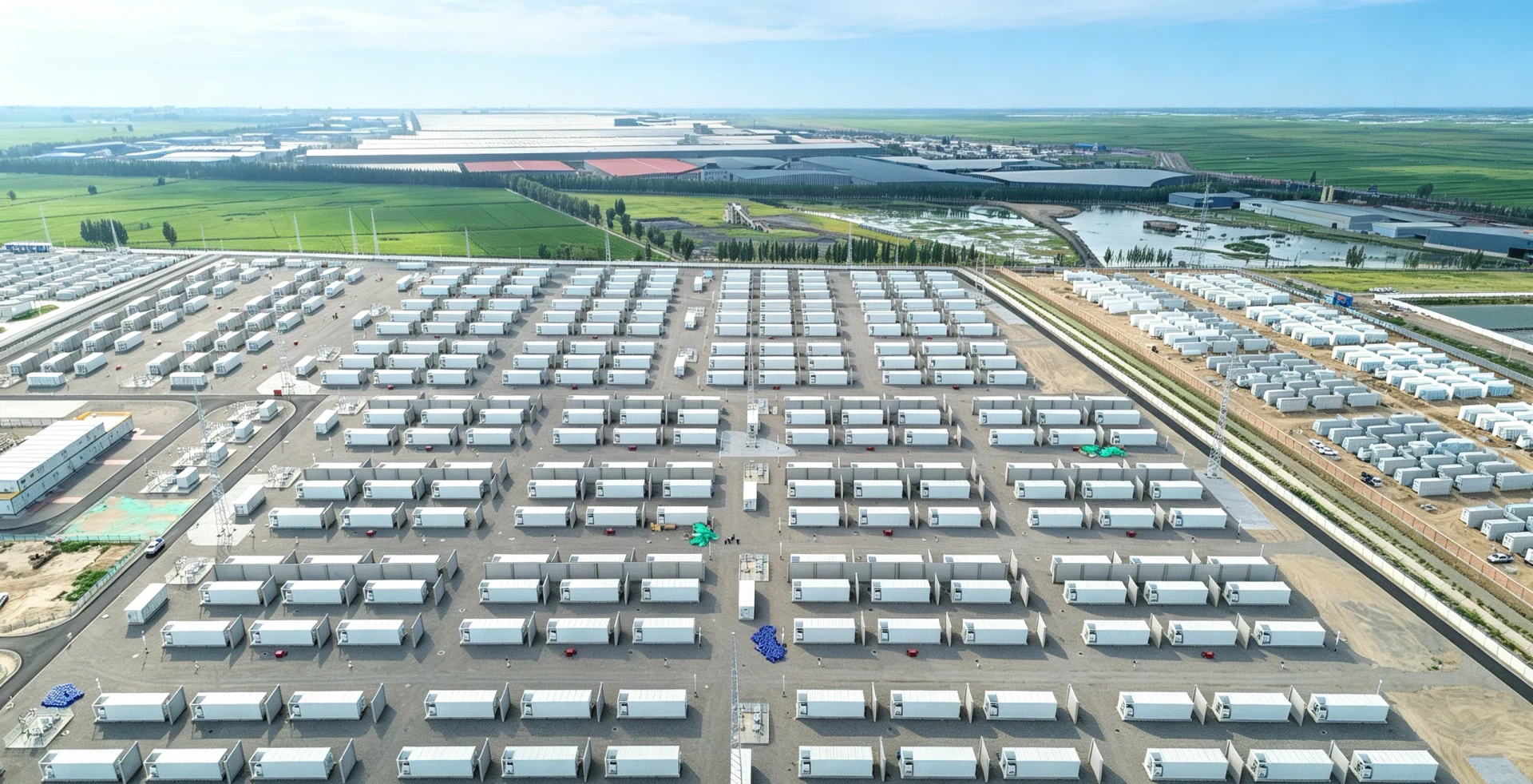
On July 31, 2026, the 400 MW / 2,400 MWh Weijun high-voltage cascaded energy storage project in Baotou, Inner Mongolia, achieved full-capacity grid connection and entered operation.
World's Largest High-Voltage Cascaded BESS Project
Comprising 24 high-voltage cascaded energy storage systems rated at 16.67 MW / 100 MWh each, the facility is reported to be the world's largest single high-voltage cascaded energy storage project by capacity. The project's power conversion system (PCS) achieves a round-trip efficiency of over 98.5%, while the facility is expected to absorb approximately 860 million kWh of renewable electricity annually.
Kesensor supplied the project's safety detection system, deploying hundreds of independently developed detectors and providing technical support throughout delivery and commissioning.
Reliable Detection in a Challenging Electromagnetic Environment
One of the project's defining features is its high-voltage cascaded architecture. By connecting PCS power modules in series, the system can deliver 35 kV output without conventional step-up transformers.
While this architecture offers advantages in power conversion, it also creates demanding electromagnetic conditions for safety detection equipment. High-power electronic components can introduce interference that affects signal stability and communication reliability.
Kesensor addressed these requirements through electromagnetic compatibility (EMC) measures covering sensor signal conditioning, communication interface isolation and equipment shielding.
During full-load operation, hundreds of detectors installed across the project's 24 energy storage systems operated without false or missed alarms, according to the company's project records.
Supporting Delivery at 15 Battery Containers per Day
Beyond equipment performance, the project's scale required close coordination between manufacturing, logistics and on-site commissioning.
Kesensor supported an average delivery rate of 15 battery containers per day for the project. Production scheduling, quality inspection, shipment and on-site technical services were coordinated to meet the construction and grid-connection timetable.
Working alongside the project team, Kesensor completed detector installation and commissioning in step with the main energy storage systems, ensuring that the safety detection system was operational when the facility entered service.
The project adds a 2.4 GWh installation to Kesensor's track record, demonstrating the company's ability to deliver reliable safety detection equipment in demanding electrical environments while meeting the schedules of large-scale energy storage projects.